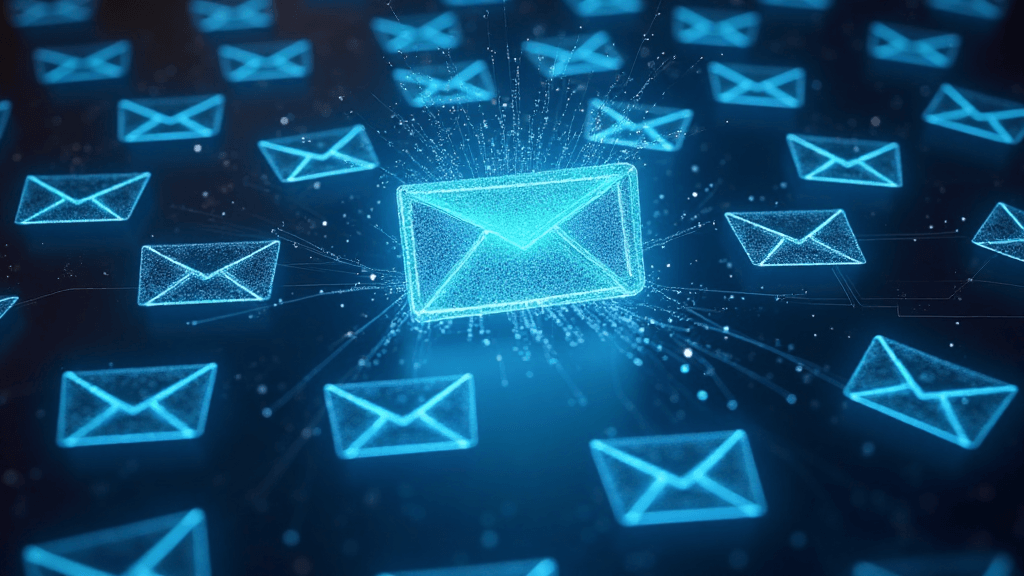
Google has unveiled an AI-powered upgrade to Gmail that promises to declutter inboxes like never before. The feature uses advanced machine learning to automatically sort emails into categories: prioritizing “important” messages like bills, work updates, and personal communications while banishing “clutter” — think newsletters, promotions, and yes, unsolicited cold emails — to a less visible “Other” tab or outright filtering them out. Trusted testers are already experiencing it, with a wider rollout on the horizon. For everyday users, this sounds like a dream: a smarter inbox that surfaces what truly matters amid the daily deluge.
But for those in the trenches of outbound marketing — firing off thousands of cold emails to drum up leads — it’s more like a wake-up call. Is cold email, the staple of B2B prospecting, slowly dying? Or is this just the latest evolution forcing senders to adapt? As someone who’s followed outbound strategies closely, I reached out to a few practitioners running cold email at scale to get their unfiltered takes. Their insights reveal a mix of concern, pragmatism, and opportunity in this AI-driven shift.
The Shift from Spam Filters to Intent Filters
Here’s what’s fundamentally different: traditional spam filters looked for technical signals — suspicious links, spammy keywords, poor sender reputation. You could optimize around those. Gmail’s AI filtering operates on a different level entirely. It’s trying to predict what you actually care about based on your behavior, relationships, and engagement patterns.
This is the shift from spam filters to intent filters, and it changes everything.
Your email might have perfect technical deliverability — authenticated domain, warm IP, clean infrastructure — and still get deprioritized because the AI determines it’s not relevant to the recipient’s current priorities. You’re no longer just fighting spam algorithms; you’re competing against machine learning models trained on billions of user interactions.
Does Deliverability Even Matter Anymore?
Yes, but it’s no longer sufficient. Deliverability gets you in the door. AI filtering determines whether anyone actually sees you once you’re inside.
Think of it this way: Landing in the inbox used to be 80% of the battle. Now it’s maybe 40%. The other 60% is whether Gmail’s AI decides your email deserves attention — and that’s largely determined by recipient behavior signals you can’t directly control.
This means the technical playbook (SPF, DKIM, DMARC, domain warming) remains necessary but insufficient. It’s table stakes, not a competitive advantage.
Cold Email Isn’t Dying — It’s Evolving
Here’s the reality: Cold email isn’t dying, but lazy cold email is.
The spray-and-pray approach — blast 10,000 generic emails and hope for a 1% response rate — was already declining in effectiveness. AI filtering will accelerate its death. But highly targeted, genuinely relevant outreach? That’s not going anywhere.
The AI is looking for engagement signals: opens, replies, time spent reading, forwarding, archiving versus deleting. Emails that generate these positive signals train the algorithm to show more emails from similar senders. Emails that get immediately deleted or ignored teach it to hide future messages.
This creates a self-reinforcing cycle. Good outreach gets rewarded with better visibility. Poor outreach gets buried faster than ever.
What Actually Works Now
The people seeing success with cold email at scale are making three fundamental shifts:
Radical personalization. Not just first name merge tags — actual research-driven relevance. Reference something specific about their company, recent news, or clear pain points. The AI can likely detect generic templates versus genuine context.
Dramatically smaller volumes, higher quality. Instead of 1,000 mediocre emails, send 100 excellent ones. The math still works when your reply rates jump from 2% to 15%.
Multi-channel orchestration. Cold email as one touchpoint in a broader strategy — LinkedIn engagement, targeted content, account-based marketing. When someone has heard of you through multiple channels, your email suddenly becomes “relevant” to the AI.
The Uncomfortable Truth
Cold email is getting harder, yes. But for the right reasons. It’s forcing sales teams to actually provide value upfront rather than treating every inbox as a billboard for rent.
The channels aren’t dying — the tactics are. LinkedIn is also getting more restrictive. Display ads face increasing banner blindness. Every channel eventually matures and becomes more sophisticated.
The solution isn’t abandoning outbound email. It’s accepting that the bar for “good enough” just got significantly higher. The AI filtering is essentially automating what recipients were already doing mentally: ignoring irrelevant noise and focusing on what actually matters to them.
The future of cold email belongs to those willing to do the work: deep research, genuine personalization, and actual relevance. The shortcut era is over. And honestly? That’s probably better for everyone.